First-Party vs. Third-Party Claims in California
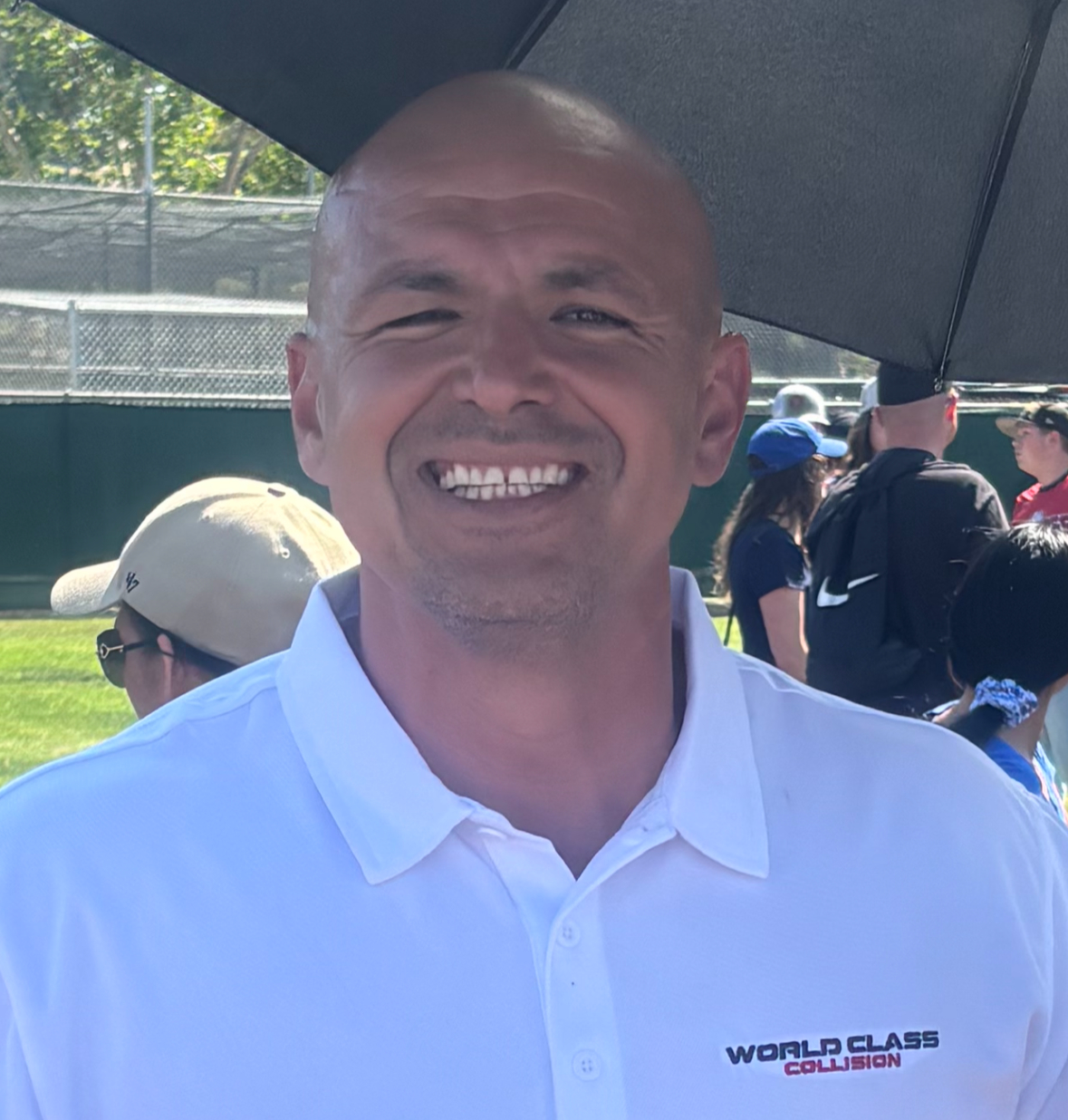
By Freddie Ledesma, Owner, World Class Collision | Updated November 5, 2026
Quick Answer: A first-party claim goes through your own policy, such as your collision coverage, and you usually pay your deductible. A third-party claim goes against the at-fault driver's liability insurance, with no deductible, but that insurer must first accept fault. If fault is clear, file third-party. If it's disputed or slow, your own coverage can get you repaired sooner.
Key Takeaways
California's fair claims rules cover both first-party claimants (you, under your own policy) and third-party claimants (you, against someone else's policy) (10 CCR 2695.2).
A third-party claim has no deductible but depends on the other insurer accepting liability. A first-party claim moves on your own coverage but usually costs your deductible up front.
If your insurer pursues the other driver (subrogation), it must include your deductible in every demand and share recoveries with you proportionately (10 CCR 2695.7(q)).
No matter which claim you file, an insurer cannot require you to use a specific repair shop (10 CCR 2695.8(e); Ins. Code 758.5).
Under California rating rules, a crash generally counts against your record only if you were "principally at fault," meaning at least 51% of the legal cause (10 CCR 2632.13).
Deciding between a first-party vs. third-party claim in California is one of the first choices you face after someone hits your car. At World Class Collision in Simi Valley, we hear this question almost every day. The right answer depends on who caused the crash, what coverage each driver carries, and how fast you need your car back. This guide explains both paths and the California rules that protect you on either one. If anyone is hurt, call 911 first. Everything else can wait.
What is the difference between a first-party and a third-party claim?
A first-party claim is on your own policy. A third-party claim is against someone else's policy, usually the at-fault driver's liability coverage.
California's Fair Claims Settlement Practices Regulations spell this out. A "first party claimant" is anyone asserting a right under a policy as a named insured, other insured, or beneficiary, including someone seeking uninsured motorist benefits. A "third party claimant" is anyone asserting a claim against a person or interest insured under a policy (10 CCR 2695.2). Both count as "claimants" under the same fairness rules.
Which coverages are involved?
First-party: collision coverage, comprehensive coverage, uninsured motorist property damage (UMPD), a collision deductible waiver (CDW), and rental reimbursement, if your policy includes them.
Third-party: the at-fault driver's property damage liability coverage. In California, policies issued or renewed on or after January 1, 2025 must carry at least $15,000 in property damage liability, as part of the 30/60/15 minimum (Veh. Code 16056).
For a step-by-step look at the third-party route, see our guide on how to file a third-party car insurance claim in California.
First-party vs. third-party claim in California: which should you file?
File a third-party claim when the other driver is clearly at fault and has insurance. Use your own coverage when fault is disputed, the other insurer is slow, the other driver is uninsured, or the damage is more than their policy limit.
When a third-party claim usually makes sense
The other driver admitted fault, got a ticket, or the police report supports your version of events.
The other driver's insurer has already accepted liability in writing.
You don't carry collision coverage, so your own policy won't pay for repairs anyway.
When your own coverage may be the better route
The other insurer is still investigating fault, or says you share the blame.
The at-fault driver is uninsured, unidentified, or only carries the minimum limits.
Your repairs are expensive and could exceed the other driver's $15,000 property damage minimum.
Either way, report the accident to your own insurer promptly, since many policies require it, and collect the other driver's insurance details at the scene (our 24-hour accident guide covers what to collect). You can usually start with one claim and switch, but you can't be paid twice for the same damage.
How do deductibles and subrogation work on a first-party claim?
On a first-party collision claim, you typically pay your deductible and your insurer pays the rest. If someone else caused the crash, your insurer can then go after them to get its money back, which is called subrogation, and California requires it to include your deductible.
Here's what the regulations require:
Your insurer must tell you in writing whether it intends to pursue subrogation, unless an exception applies, such as a waived deductible or a loss that doesn't exceed the deductible (10 CCR 2695.7(p)).
Every subrogation demand must include your deductible (10 CCR 2695.7(q)).
Recoveries must be shared with you on a proportionate basis, unless you've already recovered your whole deductible some other way (10 CCR 2695.7(q)).
The California Department of Insurance also notes that if you'd rather not have your insurer include your deductible, you can seek it from the other party yourself, and it warns: if the other party offers to pay your deductible, don't sign anything (CDI: So You've Had an Accident).
What if the at-fault driver has no insurance or not enough?
If the other driver is uninsured, your own policy is usually the only path. California law requires insurers to offer coverage for this situation, but whether you have it depends on what you bought.
If you have collision coverage: insurers must offer coverage that pays your collision deductible when an uninsured motorist is involved, often called a collision deductible waiver (Ins. Code 11580.26(a)(1); CDI Auto Insurance 101).
If you don't have collision coverage: insurers must offer uninsured motorist property damage coverage that pays the lesser of your car's actual cash value or $3,500. It does not cover loss of use (Ins. Code 11580.26(a)(2)).
Conditions apply: these coverages generally require actual physical contact with the uninsured vehicle, and the driver or owner must be identified, or the vehicle identified by its license plate. The accident must be reported to your insurer within 10 business days (Ins. Code 11580.26(b)).
If the damage exceeds the at-fault driver's limit, your own collision coverage may cover the gap. Talk to your adjuster before signing any release.
What rules protect you on either type of claim?
California's fair claims rules set response deadlines and repair protections for both first-party and third-party claimants.
15 days to respond: after notice of a claim, the insurer must acknowledge it, provide forms and instructions, and begin any needed investigation within 15 calendar days (10 CCR 2695.5(e)).
40 days to decide: for most claims, the insurer must accept or deny within 40 calendar days after receiving proof of claim. If it needs more time, it must tell you in writing and update you every 30 days (10 CCR 2695.7(b), (c)(1)). Some auto repair bills follow a separate payment rule under Insurance Code 560, so ask your adjuster which timeline applies.
Your choice of shop: an insurer can't require repairs at a specific shop, and once you've picked one, it can't steer you elsewhere except as the law allows (10 CCR 2695.8(e)).
Estimate disputes: if your shop's estimate is higher, the insurer must pay the difference, name a shop that will do the work for its price, or reasonably adjust your shop's estimate (10 CCR 2695.8(f)).
Towing and storage: the insurer must pay reasonable towing and storage charges (10 CCR 2695.8(k)).
What about a rental car?
On a first-party claim, a rental is usually covered only if you bought rental reimbursement coverage, and it comes with daily and total limits set by your policy. On a third-party claim, the at-fault driver's insurer generally owes for the reasonable loss of use of your car while it's being repaired, but how long and what type of car depends on the insurer and the facts. Get any rental approval in writing.
Will a first-party claim raise my rates in California?
Not necessarily. Under California's rating rules, an accident generally counts against your driving record only if you were "principally at fault."
That means you were at least 51% of the legal cause, and the accident caused injury or death, or property damage over $1,000 (10 CCR 2632.13(b)). The regulation also presumes you were not principally at fault in common situations, including when:
Your car was lawfully parked.
You were rear-ended and weren't convicted of a moving violation.
The other driver was convicted of a moving violation and you weren't.
You were hit by a hit-and-run driver and reported it within a reasonable time.
The damage came from animals, birds, or falling objects.
Those presumptions can be rebutted, and each insurer applies its own rating plan. At World Class Collision, we tell customers to ask their agent how a not-at-fault claim would be handled before filing if rates are a worry.
Top 15 Frequently Asked Questions
Can I file both a first-party and a third-party claim for the same accident?
Yes, you can open both, but you can't be paid twice for the same damage. Many drivers report to their own insurer and file against the at-fault driver at the same time, then let whichever claim moves first pay for repairs. Tell both adjusters about the other claim so payments are coordinated.
Can I switch to my own insurance if the other driver's insurer is taking too long?
Usually, yes, if you carry collision coverage. If the at-fault driver's insurer is still investigating or disputing fault, you can ask your own insurer to handle repairs under your collision coverage. You'll typically pay your deductible first, and your insurer can try to recover it for you.
Do I need collision coverage to use my own insurance for car repairs?
For most crashes with another vehicle, yes. Collision coverage is what pays to repair your car under your own policy. Without it, your main options are a third-party claim against the at-fault driver or, if that driver is uninsured and identified, uninsured motorist property damage coverage, which California caps at the lesser of actual cash value or $3,500.
Is a first-party claim usually faster than a third-party claim?
Often, but not always. With your own insurer, there's usually no fight over who caused the crash before repairs are approved, so things can move sooner. A third-party insurer may wait to finish its liability investigation. Both must follow California's claim-handling deadlines.
What happens if both drivers' insurers blame each other?
If fault is disputed, a third-party claim can stall while the insurers argue. Using your own collision coverage lets you get repaired while the dispute plays out, and your insurer can pursue the other company for its payment and your deductible. For serious disputes or injuries, consult a licensed California attorney.
Will my insurance company tell me if it's going after the other driver?
Yes, in most cases. California requires your insurer to tell you in writing whether it intends to pursue subrogation against the other party. There are exceptions, such as when your deductible was waived or the loss didn't exceed your deductible. If you haven't heard anything, ask your adjuster directly.
How do I get my deductible back after using my own insurance?
Your insurer must include your deductible in every subrogation demand it makes and share any recovery with you on a proportionate basis. If the other driver was fully at fault and their insurer pays in full, you may get your entire deductible back. If fault is shared or recovery is partial, you may get only part of it.
Can the other driver just pay me my deductible directly?
They can offer, but be careful. The California Department of Insurance warns that if the other party offers to pay your deductible, don't sign anything. A signed release could affect your rights or your insurer's ability to recover. Talk with your insurer before accepting money or signing anything from the other driver.
What is a collision deductible waiver in California?
A collision deductible waiver pays your collision deductible when your car is damaged by an at-fault uninsured driver. California requires insurers to offer it to policyholders who carry collision coverage. It generally requires physical contact and an identified driver, owner, or license plate. It's optional, so check your policy.
How much does uninsured motorist property damage coverage pay in California?
Uninsured motorist property damage coverage pays the lesser of your car's actual cash value or $3,500. It's meant for drivers without collision coverage and doesn't pay for loss of use. To qualify, the uninsured vehicle generally must have hit your car and been identified, and you must report it to your insurer within 10 business days.
Will a claim on my own policy raise my rates if the accident wasn't my fault?
It shouldn't count against your driving record under California rating rules unless you were principally at fault, meaning at least 51% of the legal cause. The rules presume you weren't at fault in situations like being rear-ended or legally parked. Ask your agent how a specific claim would be treated.
Can my insurer deny my collision claim because the other driver caused the crash?
Generally, no. Collision coverage pays for covered damage to your car regardless of who caused the crash, subject to your policy terms, exclusions, and deductible. Your insurer may then pursue the at-fault driver for reimbursement. If your claim is denied, ask for the reason and the policy language in writing.
Can my own insurance company make me use one of its direct repair shops?
No. California regulations say an insurer cannot require that your car be repaired at a specific shop. It may mention shops in its direct repair program, but once you've chosen a shop, it can't push you toward a different one except as the law allows.
Who pays for towing and storage after a car accident in California?
On a covered claim, the insurer handling it must pay reasonable towing and storage charges under California regulations. Storage fees add up quickly, so move your car to the shop you choose as soon as you can, tell the adjuster where it is, and save every receipt.
Can my body shop deal with the insurance company for me?
Yes, in many cases. You can give your shop permission to send estimates, photos, and supplement requests directly to the adjuster, whether the claim is on your policy or the other driver's. You still own the claim and make the decisions, such as approving repairs and signing releases.
How World Class Collision Can Help
Whether you file on your own policy or the other driver's, World Class Collision handles the insurance paperwork, sends estimates and photos to the adjuster, and works with all insurance companies. Remember, in California you have the right to choose your own body shop. We offer free estimates for drivers in Simi Valley, Moorpark, and nearby Ventura County communities, and Hablamos Español. Have more questions? Read our auto body and collision repair FAQs or our third-party claim guide.
Been in an accident? Call World Class Collision at (805) 522-8476 or email service@worldclasscollisionsimi.com for a free estimate.
About the Author: Freddie Ledesma is the owner of World Class Collision in Simi Valley, California. He and his team help drivers repair their vehicles and navigate insurance claims after accidents of every size.
Sources
10 CCR 2695.2: Definitions (claimant, first party, third party)
10 CCR 2695.5: Duties upon receipt of communications (15-day rule)
10 CCR 2695.8: Additional standards for auto insurance (shop choice, estimates, towing)
10 CCR 2632.13: Determination of principally at-fault accidents
California Insurance Code 11580.26: UM property damage and collision deductible coverage
California Department of Insurance: So You've Had an Accident, What's Next?
Disclaimer: This article is general information, not legal or insurance advice. Laws and policies change; check with your insurer or a licensed California attorney about your situation.


Comments