California Insurance Claim Deadlines After a Car Accident
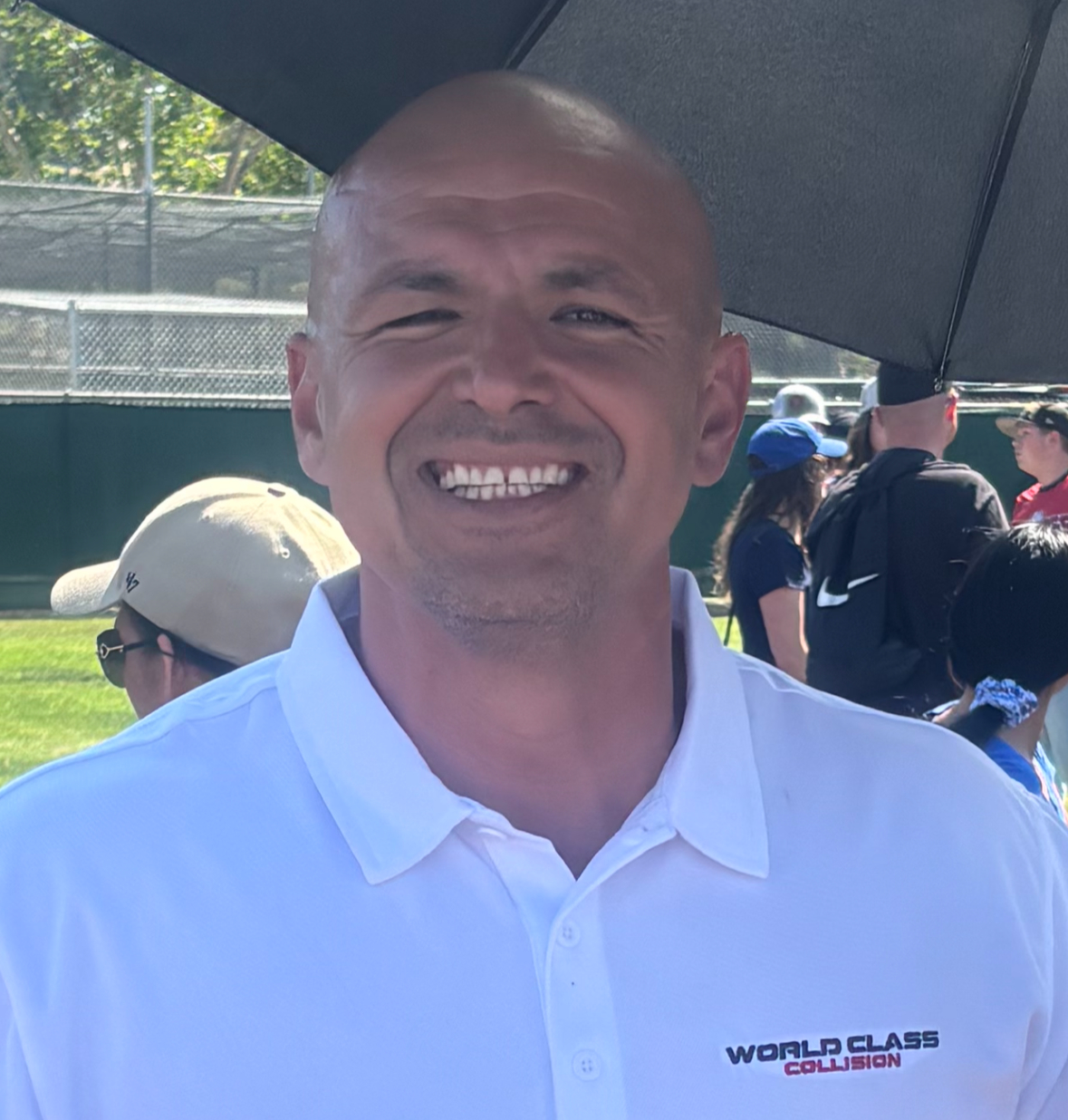
By Freddie Ledesma, Owner, World Class Collision | Updated November 12, 2026
Quick Answer
Under California's Fair Claims Settlement Practices Regulations, auto insurers generally must acknowledge your claim and start investigating within 15 calendar days, accept or deny it within 40 calendar days of receiving proof of claim, and pay within 30 calendar days of accepting it. If an insurer needs more time, it must explain why in writing every 30 days.
Key Takeaways
15 days: The insurer must acknowledge your claim, give you forms and instructions, and begin investigating within 15 calendar days of notice (10 CCR §2695.5(e)).
40 days: It must accept or deny within 40 calendar days after it receives proof of claim (10 CCR §2695.7(b)).
Every 30 days: If it needs more time, it must say so in writing, list what it still needs, and repeat that notice every 30 calendar days (§2695.7(c)(1)).
30 days to pay: Once a claim is accepted, payment is due within 30 calendar days (§2695.7(h)), with some exceptions, such as collision repair bills, which follow their own rule.
Calendar days count weekends and holidays. Keep a dated log of every call, email, and letter.
If an insurer misses deadlines, you can file a complaint with the California Department of Insurance at 1-800-927-4357.
Waiting on an insurance company after a crash is stressful, especially when your car is sitting in a shop and nobody calls back. The good news: California insurance claim deadlines are written into state regulations, and they apply to the other driver's insurer as well as your own. At World Class Collision in Simi Valley, we meet drivers every week who don't know these timelines exist. Here's each deadline, the key exceptions, and what to do when an insurer drags its feet.
What are the California insurance claim deadlines after a car accident?
The core deadlines come from Title 10 of the California Code of Regulations, Section 2695, known as the Fair Claims Settlement Practices Regulations. They set maximum times for an insurer to acknowledge, investigate, decide, and pay a claim.
Here is the basic sequence for most auto claims:
You give notice of claim. A phone call counts. The regulations define a notice of claim as any written or oral notification that reasonably tells the insurer you want to make a claim (10 CCR §2695.2).
Within 15 calendar days, the insurer must acknowledge the claim (unless it pays within that time), provide necessary forms, instructions, and reasonable assistance, and begin any necessary investigation (10 CCR §2695.5(e)).
Within 15 calendar days of any message from you that reasonably calls for a response, the insurer must respond (§2695.5(b)).
Within 40 calendar days of receiving proof of claim, the insurer must accept or deny the claim, in whole or in part (10 CCR §2695.7(b)).
Within 30 calendar days of accepting the claim (and, when necessary, receiving a signed release), the insurer must pay or otherwise act on its obligation (§2695.7(h)).
When does the 40-day clock start?
The 40 days run from proof of claim, not from your first phone call. Proof of claim is any evidence or documentation in the insurer's possession that reasonably supports the amount of your loss, such as a repair estimate, photos, or invoices. Sending your documents early and getting confirmation that they arrived helps start the clock.
Can an insurance company take longer than 40 days?
Yes, but not silently. If the insurer needs more time to decide, it must send you written notice within the 40-day window, and then send a new written notice every 30 calendar days until it makes a decision or a lawsuit is served.
Under 10 CCR §2695.7(c)(1), each notice must:
Say that more time is needed
Specify any additional information the insurer requires to decide
State the continuing reasons it can't decide yet
If the decision depends on a future event, explain that and estimate when it can decide
A vague "we're still reviewing it" phone call is not a written notice. Send anything the insurer asks for promptly, and keep proof.
How fast does the insurer have to pay for my car repairs?
For most accepted claims, payment is due within 30 calendar days of acceptance. Collision and comprehensive repair bills are an exception: the 40-day and 30-day rules in §2695.7 don't apply to automobile repair bills subject to California Insurance Code §560, which sets its own payment rule.
Insurance Code §560 applies to collision and physical damage coverage. When the insurer knows your car will be repaired by a particular shop, it generally must pay within 10 days after receiving an itemized bill for authorized repairs that have been satisfactorily completed. Payment is usually made to the shop or jointly to you and the shop. The statute also says it does not limit your right to choose your repair shop.
How payment flows depends on your policy and whether the claim is under your own coverage or the other driver's. Our guide on first-party vs. third-party claims explains the difference.
What other auto-specific deadlines protect California drivers?
Section 2695.8 adds rules just for auto claims. These cover inspections, estimates, and total losses.
Inspection timelines
On your own (first-party) claim, if the insurer chooses to inspect your car, it must ask to inspect within 6 business days after receiving notice of claim, and the same applies to re-inspections after a supplement request (10 CCR §2695.8(e)(4)).
If it wants photos or an estimate instead of an inspection, it must ask within 3 business days.
On a third-party claim, the insurer must inspect within 6 business days of deciding to inspect.
An insurer can't make you travel more than 15 miles (in cities of 100,000+) or 25 miles (elsewhere) for an inspection or estimate.
Your estimate and your shop
When a partial loss is settled on the insurer's written estimate, the insurer must give you a copy of that estimate. If your shop's estimate is higher, the insurer must pay the difference, name a shop that will do the work for its price, or reasonably adjust your shop's estimate and give you and the shop an itemized copy (§2695.8(f)). The insurer also can't require you to use a specific shop, and once you've chosen one, it generally can't suggest a different one (Ins. Code §758.5).
Total loss timelines
If your car is totaled, the settlement must include applicable taxes and one-time transfer fees, and the comparable vehicles used to value it must have been for sale in your local market within 90 calendar days of the final offer (§2695.8(b)). You also get a 35-day window to ask the insurer to reopen the claim, covered in the FAQs below.
What should I do if my insurer misses a claim deadline?
Document the delay in writing, then escalate. At World Class Collision, we've found most stalled claims start moving once the insurer sees you know the rules and are keeping a record.
Keep a claim log. Write down every call: date, time, name, and what was said. Save every email and letter.
Put requests in writing. Email the adjuster, note the date your claim was filed and when proof of claim was sent, and ask for a written status update.
Ask for a supervisor if you get no response within 15 calendar days.
File a complaint with the California Department of Insurance. Call 1-800-927-4357 or use the CDI's online complaint form. Insurers must respond to department inquiries within 21 calendar days (§2695.5(a)).
Watch your lawsuit deadline. The California courts' self-help site lists 2 years for personal injury and 3 years for property damage in most cases (California Courts). Talk to a licensed California attorney about your situation.
If you're filing against the other driver's insurer, our third-party claim guide covers how to open the claim and what you can recover. If you were just in a crash, start with our 24-hour checklist. And if anyone was hurt, call 911 first.
Top 15 Frequently Asked Questions
Does a phone call count as filing a claim in California?
Yes. California's regulations define a notice of claim as any written or oral notification that reasonably tells the insurer you want to make a claim. A phone call can start the 15-day acknowledgment clock. Still, follow up with an email that confirms the date you reported the claim and your claim number. That creates a written record of the date.
Do weekends and holidays count toward insurance claim deadlines?
Yes. The Fair Claims Settlement Practices Regulations use calendar days, which include Saturdays, Sundays, and state and federal holidays. If a deadline falls on a weekend or holiday, it moves to the next business day. A few auto inspection rules use business days instead.
What counts as proof of claim for the 40-day deadline?
Proof of claim is any evidence or documentation in the insurer's possession that reasonably supports the amount of your loss. For a car accident, that often means a repair estimate, photos, and receipts. The 40-day accept-or-deny clock runs from when the insurer receives that proof, so send documents early and ask the adjuster to confirm in writing that they arrived.
Can an insurance company keep extending my claim?
It can take longer than 40 days only if it gives you written notice within that period. The notice must explain why it can't decide yet and list any information it still needs. After that, it must send a new written notice every 30 calendar days until it decides or a lawsuit is filed. Endless extensions without clear reasons are worth reporting to the Department of Insurance.
How soon do I get paid after my claim is accepted?
For most accepted claims, California regulations require the insurer to pay within 30 calendar days of accepting the claim, and after receiving a signed release if one is needed. Collision and comprehensive repair bills follow a different rule under Insurance Code section 560. If accepted money hasn't arrived after 30 days, ask the adjuster in writing for the payment date and method.
How quickly does my insurer have to pay the body shop?
Under California Insurance Code section 560, when your insurer knows your car is being repaired by a particular shop, it generally must pay within 10 days after receiving an itemized bill for authorized repairs that were satisfactorily completed. Your body shop can usually tell you when the final bill was sent.
Why is my insurance check made out to me and the body shop?
California Insurance Code section 560 lets insurers pay collision repair money with a check payable to the shop, or jointly to you and the shop, when they know who is doing the repairs. It does not take away your right to choose your own shop. If you have a lienholder, the lender's name may also appear on the check.
How soon does the insurance company have to inspect my car?
On your own claim, if the insurer chooses to inspect, it must ask to see your car within 6 business days after receiving notice of claim. If it wants photos or an estimate instead, it must ask within 3 business days. On a third-party claim, it must inspect within 6 business days of deciding to inspect.
Am I entitled to a copy of the insurance company's estimate?
Yes, in many cases. When a partial loss is settled based on the insurer's written estimate, California regulations require the insurer to give you a copy of that estimate. Ask for it in writing if you don't receive it. Compare it line by line with your body shop's estimate before you settle.
What does an insurance denial letter have to say in California?
A denial or partial denial must be in writing and list every reason for it, including the facts and policy provisions the insurer relied on. It must also tell you that you can have the matter reviewed by the California Department of Insurance, with the department's address and phone number. Keep the letter either way.
What should I do if the adjuster stops returning my calls?
Switch to writing. California regulations generally require an insurer to respond within 15 calendar days to a communication that reasonably calls for a reply. Email the adjuster with your claim number, the dates you called, and a clear question. If 15 days pass with no answer, ask for a supervisor, and consider calling the California Department of Insurance consumer hotline at 1-800-927-4357.
How long do I have to tell my insurer I can't find a comparable car after a total loss?
California regulations give you 35 calendar days after you receive the total loss payment or final settlement offer to tell your insurer you can't buy a comparable vehicle for that amount. The insurer must then reopen the claim and either locate a comparable car, pay the difference, buy the vehicle you found, or use the policy's appraisal process. Put your notice in writing.
Can my insurer take longer if it thinks the claim is suspicious?
Sometimes. If the insurer has a reasonable, documented basis to suspect fraud, California regulations allow the 40-day decision period to become 80 days, or to be suspended under limited conditions involving the Insurance Commissioner. The insurer still must send written status notices every 30 days. This is a narrow exception, not a routine extension.
Should I start repairs before the insurer approves my claim?
It depends on your policy and the claim. Starting repairs before the insurer inspects or approves the estimate can create disputes about what was damaged and what will be paid. Usually, your body shop writes the estimate and sends it to the insurer first. If you're unsure, ask your insurer in writing how to proceed.
How long does the insurance company have to respond to a Department of Insurance complaint?
When the California Department of Insurance sends an insurer an inquiry about your claim, regulations require the insurer to respond immediately, and in no event more than 21 calendar days after receiving it. A complaint doesn't guarantee a result, but it puts your claim in front of a regulator. You can file online through the CDI website or call 1-800-927-4357.
How World Class Collision Can Help
At World Class Collision, we handle the insurance paperwork for you, work with all insurance companies, and send estimates, photos, and supplements quickly so your claim keeps moving. California law protects your right to choose your own body shop, and we're proud to serve drivers in Simi Valley, Moorpark, and nearby Ventura County communities. Free estimates, and Hablamos Español. Not sure what kind of claim to file? Read our first-party vs. third-party claim guide or our third-party claim walkthrough.
Been in an accident? Call World Class Collision at (805) 522-8476 or email service@worldclasscollisionsimi.com for a free estimate.
About the Author: Freddie Ledesma is the owner of World Class Collision in Simi Valley, California. He and his team help drivers repair their vehicles and navigate insurance claims after accidents of every size.
Sources
10 CCR §2695.2 – Definitions (notice of claim, proof of claim, calendar days)
10 CCR §2695.5 – Duties upon receipt of communications (15-day and 21-day rules)
10 CCR §2695.7 – Standards for prompt, fair and equitable settlements (40-day, 30-day rules)
10 CCR §2695.8 – Additional standards for automobile insurance
California Insurance Code §560 – Payment of auto repair bills
California Department of Insurance – Get help / file a complaint
This article is general information, not legal or insurance advice. Laws and policies change; check with your insurer or a licensed California attorney about your situation.

Comments