Other Driver's Insurance Denied My Claim in California
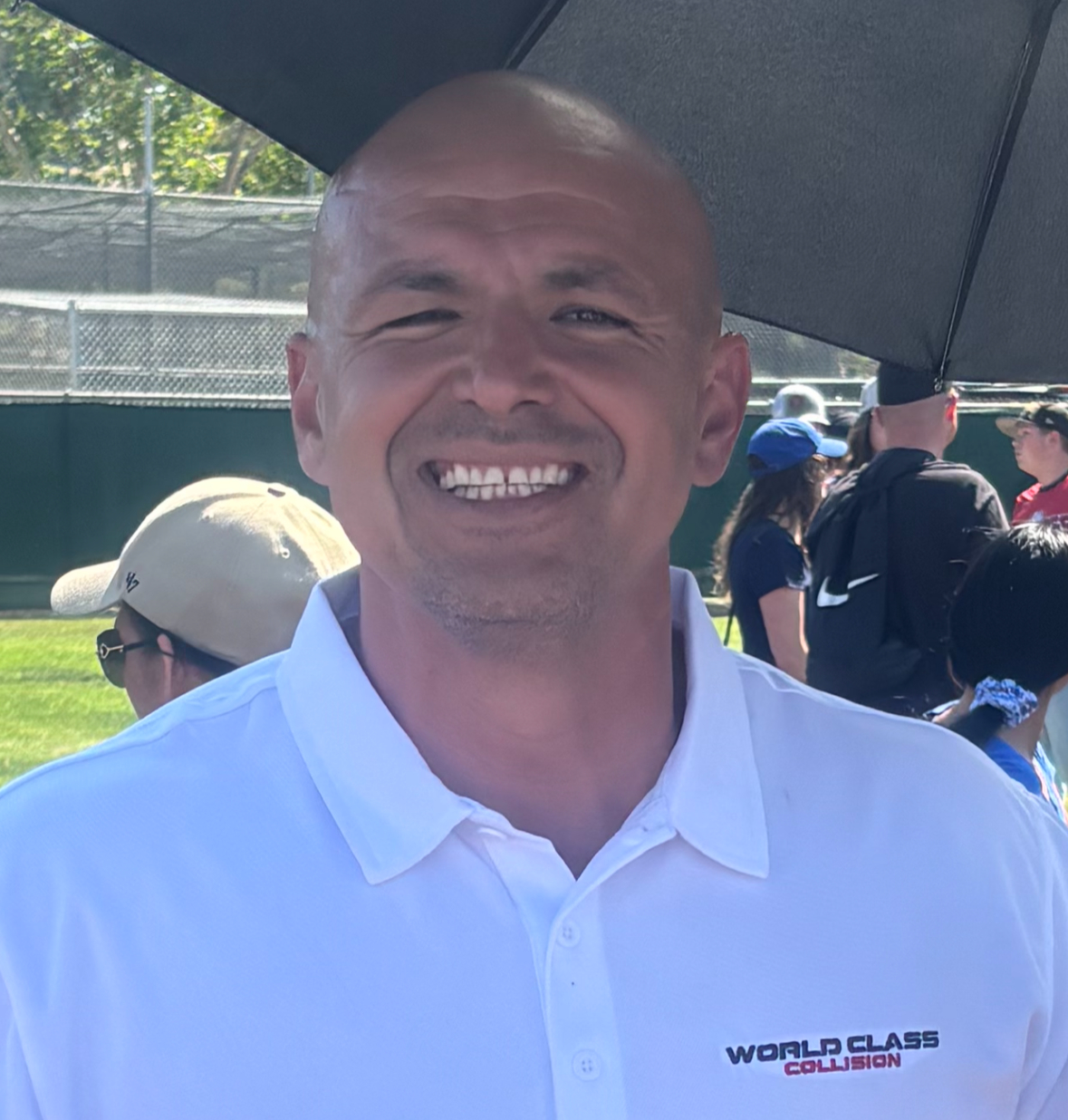
By Freddie Ledesma, Owner, World Class Collision | Updated November 26, 2026
Quick Answer
If the other driver's insurance denied your claim in California, ask for the denial in writing, read the stated reason, and answer it with evidence. You can also use your own collision coverage, file a complaint with the California Department of Insurance, or pursue the at-fault driver in small claims or civil court.
Key Takeaways
Denials must be in writing. California regulations require a written denial when an insurer rejects a third-party claim or disputes fault or damages.
The state can review it. The letter must tell you how to reach the California Department of Insurance.
A denial isn't final. Photos, video, witnesses, or a police report can change a fault decision.
Your own policy is a backup. Collision coverage can get repairs started while your insurer pursues the other side.
Watch the clock. Lawsuits generally must be filed within three years for vehicle damage and two for injuries.
Hearing that the other driver's insurance denied your claim can feel like getting hit twice. If you've just searched “other driver's insurance denied my claim,” know this: in California, a denial is a decision you can challenge. At World Class Collision in Simi Valley, we've helped thousands of drivers through accidents and insurance claims. This guide covers why third-party claims get denied, what state rules require, and the steps that move a stalled California car accident claim forward. If anyone was hurt, call 911 first, and talk with a licensed California attorney about your specific case.
Why would the other driver's insurance deny my claim?
Most denials come down to three things: the insurer says its driver wasn't at fault, says its policy doesn't cover the crash, or disputes some of the damage. Knowing which one you face tells you how to respond.
Fault disputes
The insurer may believe you caused the accident, or say fault is unclear because the stories don't match and there's no witness or police report. California follows “pure” comparative fault, adopted in Li v. Yellow Cab Co. (1975): if you were partly at fault, your recovery is reduced by your share of the blame rather than wiped out.
Coverage problems
Sometimes the insurer agrees its driver was at fault but says its policy doesn't apply, for example because the policy lapsed before the crash or the driver was excluded by name, which Insurance Code §11580.1(d) allows. Whether that defense holds up depends on the policy language and the facts.
Damage disputes
Other times the insurer accepts fault but rejects some damage as old or unrelated. That partial denial is usually fought with estimates, photos, and teardown findings.
What does California law require when an insurer denies a claim?
The insurer must put a third-party denial in writing, and the letter must tell you that you can ask the California Department of Insurance to review it. Those rules come from the Fair Claims Settlement Practices Regulations, 10 CCR §2695.7.
Written denial. Any insurer that denies a third-party claim, in whole or in part, or disputes liability or damages, must do so in writing (§2695.7(b)(1)).
Department of Insurance notice. The notice must say you may have the matter reviewed by the Department and give the address and phone number of its claims-review unit (§2695.7(b)(3)).
40-day decision window. After proof of claim, the insurer has 40 calendar days to accept or deny. If it needs more time, it must explain why in writing and update you every 30 days (§2695.7(b), (c)(1)).
Replies to your letters. When you send something that reasonably calls for a response, the insurer has 15 calendar days to give a complete one (§2695.5(b)).
What should I do after the other driver's insurance denied my claim?
Get the denial in writing, pin down exactly why, and answer that reason with evidence in a written reply. Meanwhile, keep your repair options open so your car isn't stuck.
Get it in writing. If the denial came by phone, email the adjuster, summarize the call, and request the letter. Log names, dates, and times.
Find the exact reason. Fault, coverage, or amount of damage? Your response depends on it.
Gather evidence. Scene photos, dashcam video, the police or CHP report number, witness contacts, and a written repair estimate.
Send a written dispute. Claim number, why you disagree, what you're attaching, and what you want, sent in a way you can track.
Ask for a supervisor review. If the adjuster won't budge, request that a claims manager review the file.
Don't let the car sit
A dispute can take weeks. Get a written estimate and detailed photos before work begins, then decide whether to repair through your own coverage or wait. World Class Collision can walk you through those choices.
Can I use my own insurance if the at-fault driver's insurer says no?
Yes, if you carry the right coverage. Collision coverage on your own policy can pay for repairs now, minus your deductible, while your insurer pursues the other side.
That recovery process is called subrogation. Your insurer must tell you in writing whether it will pursue it, include your deductible in any demand, and share recoveries with you proportionally (§2695.7(p), (q)). Our first-party vs. third-party claims guide covers the trade-offs. If the other driver was truly uninsured, uninsured motorist property damage coverage may apply, depending on your policy.
Where can I take a denied claim besides the insurance company?
You have three main outside paths: a complaint to the California Department of Insurance, small claims court against the at-fault driver, or a civil lawsuit, usually with an attorney.
The California Department of Insurance
Call the consumer hotline at 800-927-4357 or submit a Request for Assistance through the online Consumer Complaint Center, attaching your denial, your dispute letter, and your evidence. A complaint doesn't replace a lawsuit, so keep an eye on legal deadlines.
Small claims court
Your legal claim is against the at-fault driver. In Moradi-Shalal v. Fireman's Fund (1988), the California Supreme Court held that the state's unfair claims practices statute doesn't let private parties sue insurers for violating it. According to the California Courts self-help guide, individuals can generally sue for up to $12,500 in small claims court, and you can't bring a lawyer to the hearing.
Civil court and attorneys
For injuries or larger losses, talk with a licensed California attorney. Injury lawsuits generally must be filed within two years (CCP §335.1) and property damage lawsuits within three (CCP §338).
Top 15 Frequently Asked Questions
Can the other driver's insurance deny my claim over the phone?
Not if it follows California's claim rules. Under 10 CCR §2695.7(b)(1), an insurer that denies a third-party claim, in whole or in part, or disputes liability or damages must do so in writing. If an adjuster says "no" on the phone, email back the same day, summarize the call, and ask for the written denial letter.
Is there a way to appeal a denial from the at-fault driver's insurance company?
You can ask the insurer to reconsider. Send a written dispute with your claim number, the reason you disagree, and any new evidence, and ask that a claims supervisor review the file. If the answer doesn't change, you can file a Request for Assistance with the California Department of Insurance or pursue the at-fault driver directly, within the legal deadlines.
What should I say in a letter disputing a denied car insurance claim?
Keep it short, calm, and factual. Include your name, claim number, date of loss, and the insurer's stated reason for denial. Explain briefly why you disagree, list the evidence you're attaching, such as photos, a police report number, or a repair estimate, and say what you want: reconsideration and payment of your damages. Keep a copy and send it in a way you can track.
How long does the other insurer have to answer my dispute letter?
Under 10 CCR §2695.5(b), when you send a communication about your claim that reasonably calls for a reply, the insurer must give you a complete response within 15 calendar days. That rule stops applying once the insurer receives notice of legal action from you. Mark your calendar the day you send the letter, and follow up in writing if the deadline passes.
What evidence helps most when an insurer says I caused the accident?
Evidence showing how the crash happened is usually the most useful: photos of where the cars came to rest, damage at the points of impact, dashcam or security video, independent witness contact information, and the police or CHP report number. A body shop's photos and written estimate can also help show which direction the force came from. Save the originals and send copies.
What happens if the other driver tells their insurance company a different story?
When stories conflict, the insurer may treat fault as disputed and deny or delay your claim. Independent evidence breaks the tie: witnesses with no stake in the outcome, video, a police report, and physical damage patterns. Send that evidence in writing. If the insurer still won't accept fault, you can use your own collision coverage or take your claim against the driver to court.
Can a police report change an insurance company's fault decision?
It can help, but it isn't the final word. A police or CHP report can record statements, the scene layout, witness information, and sometimes a citation, which gives the adjuster facts beyond each driver's memory. Insurers make their own fault decisions, and a court can reach a different conclusion. Request a copy from the responding agency and send it with your written dispute.
What if the other driver's insurer says their policy was canceled before the crash?
Ask for written confirmation of the cancellation or lapse date, since the denial must be in writing. If the at-fault driver had no coverage, you may be able to turn to your own policy: collision coverage, or uninsured motorist property damage coverage if you bought it, depending on your policy terms. You can also pursue the driver personally within the legal deadlines.
Can an insurer deny my claim because its driver was excluded from the policy?
Possibly. California Insurance Code §11580.1(d) allows an insurer and a named insured to agree that coverage won't apply while a specific, named person is driving. If that excluded person caused your crash, the policy may not pay. Whether an exclusion actually applies depends on the policy and the facts, so ask for the written denial and the exclusion language, then review your own coverage.
What if the insurance company accepts fault but denies part of my damage?
That's a partial denial, and it still has to be in writing under 10 CCR §2695.7(b)(1). Ask the adjuster to list which items were rejected and why. Then answer item by item with your shop's estimate, photos, and any supplement for damage found after teardown. Before you sign a release or cash a check marked "final," read whether it settles the entire claim.
Can a repair estimate help if the insurer says the damage wasn't from this accident?
Yes. When an insurer says damage is old or unrelated, a detailed estimate with photos can show fresh damage, matching impact points, paint and debris transfer, and how the force traveled through the car. Ask your body shop to document what it finds before and during teardown. Pre-accident photos of your car, such as a recent sale listing or pictures on your phone, can also help.
Can I get a rental car while I'm disputing a denied claim?
Usually not from the at-fault driver's insurer while it's denying liability. If you use your own collision coverage and your policy includes rental reimbursement, that coverage may pay for a rental within its daily and total limits. Check your declarations page or call your agent. If the other insurer later accepts fault, ask about reimbursement for reasonable rental costs or loss of use.
Can I sue the at-fault driver if their insurance company denied my claim?
Yes. Your legal claim for the damage is against the driver who caused it, not the insurance company. In California small claims court, individuals can generally sue for up to $12,500, and you can't have a lawyer with you in court. Property damage lawsuits generally must be filed within three years (CCP §338) and injury lawsuits within two (CCP §335.1). Ask an attorney about your case.
Can an insurer make me drop my Department of Insurance complaint to settle?
No. Under 10 CCR §2695.7(o), an insurer can't require you to withdraw, rescind, or hold off on a complaint to the California Department of Insurance as a condition of settling your claim. You can file a complaint and keep negotiating at the same time. If an adjuster suggests otherwise, write down what was said, when, and by whom.
What is the Department of Insurance's Automobile Claims Mediation Program?
It's a free, voluntary, nonbinding mediation program run by the California Department of Insurance for personal auto policyholders with a physical damage dispute against their own insurer. According to the Department's program guide, it doesn't cover claims against another driver's insurer, the overall claim must exceed $7,500, and the amount in dispute must exceed $2,000. You start by filing a Request for Assistance.
How World Class Collision Can Help
A denied claim doesn't have to leave your car sitting broken. World Class Collision handles the insurance paperwork, works with all insurance companies, and documents damage with photos and detailed written estimates you can use in a dispute. California law also gives you the right to choose your own body shop. We offer free estimates for drivers in Simi Valley, Moorpark, and nearby Ventura County communities, and hablamos español. See also our California claim deadlines guide and third-party claim guide.
Been in an accident? Call World Class Collision at (805) 522-8476 or email service@worldclasscollisionsimi.com for a free estimate.
About the Author: Freddie Ledesma is the owner of World Class Collision in Simi Valley, California. He and his team help drivers repair their vehicles and navigate insurance claims after accidents of every size.
Sources
Disclaimer: This article is general information, not legal or insurance advice. Laws and policies change; check with your insurer or a licensed California attorney about your situation.

Comments